


Culture, Etiquette and Laws in the UAE
A respectful, practical guide to Islam in daily life, dress, greetings, public behaviour laws, Ramadan, national traditions and workplace manners in the UAE.
Last reviewed 21 Oct 2026
The UAE is one of the most multicultural countries in the world, with residents from well over 200 nationalities. Emiratis are a minority of the population, around one in ten, but their traditions and Islamic values shape public life. Most visitors and residents find the country welcoming and relaxed, and a little cultural awareness goes a long way. This guide covers daily life, behaviour, laws and traditions. Laws are updated from time to time, so check the official portal u.ae for the current position.
Islam and daily life
Islam is the official religion, and you will see its rhythm in daily life. Mosques are everywhere, and the call to prayer (adhan) sounds five times a day: before dawn, midday, mid-afternoon, sunset and night. Prayer times change every day with the sun. Check them with our prayer times tool, and see our Hijri converter for Islamic dates.
Other faiths are respected. There are churches, Hindu and Sikh temples and a Jewish synagogue, and non-Muslims can practise freely. Remember these points:
- Be quiet and respectful near mosques and during the call to prayer.
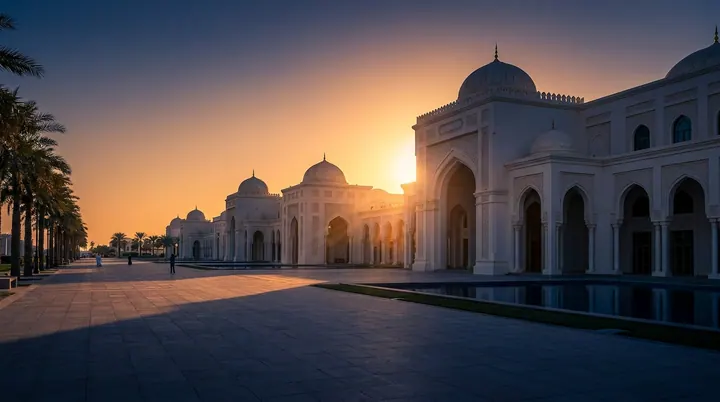
- Do not enter a mosque unless it welcomes visitors (such as Sheikh Zayed Grand Mosque in Abu Dhabi). Dress modestly and follow staff instructions.
- Avoid criticising or mocking Islam or any religion, in person or online. This is a serious offence.
Friday and the weekend
Friday remains the holy day, with the main congregational prayer around midday. Since 1 January 2022, the UAE's federal government and most schools follow a Monday to Friday week with Saturday and Sunday as the weekend. Friday is a half day for the federal government, so people can attend prayers. Private companies set their own schedules, and some still work Saturdays. Sharjah runs a four-day working week for its government employees, with Friday to Sunday off. Check dates on our holidays page and holiday planner.
Ramadan etiquette
Ramadan is the ninth month of the Islamic calendar, when Muslims fast from dawn to sunset. For visitors and non-Muslim residents:
- Non-Muslims are no longer penalised for eating or drinking in daylight, and restaurants and cafes are open. Even so, be discreet in public and avoid eating, drinking, smoking or chewing gum in front of people who are fasting, especially in offices and shared spaces.
- Dress more modestly than usual and avoid loud music or behaviour.
- Greet people with "Ramadan Kareem" ("generous Ramadan").
- Expect shorter working hours, with private-sector hours reduced by two hours a day.
- Accept invitations to iftar, the meal that breaks the fast at sunset. Evenings are lively, with many iftar tents and late-night shopping.
- Be patient on roads around sunset, as many people rush to iftar.
Ramadan ends with Eid Al Fitr, a three-day celebration with holidays, family visits and gifts.
Dress codes
The UAE has no official dress code for visitors, but modest dress is respected, especially outside beach resorts.
- In malls, offices and public places: cover your shoulders and knees. Swimwear and bare midriffs are inappropriate.
- At beaches and pools: swimwear is fine, but not in the street or in shopping areas.
- At mosques and heritage sites: cover arms and legs, and women should cover their hair. Abayas are often available to borrow.
- Local dress: Emirati men wear a white kandura with a ghutra (headscarf), and women wear a black abaya with a shayla. This is traditional, not a requirement for visitors.
Public indecency is an offence, so avoid offensive slogans or imagery on clothing.
Greetings and hospitality
- Greet people with "Salaam alaikum" (peace be upon you) and the reply "Wa alaikum assalam".
- Handshakes are normal between men. Between men and women, wait for the woman to offer her hand. A hand on the heart is a polite alternative.
- Use your right hand to eat, give and receive. The left hand is considered unclean.
- Remove your shoes when entering an Emirati home or mosque, and do not point the soles of your feet at others.
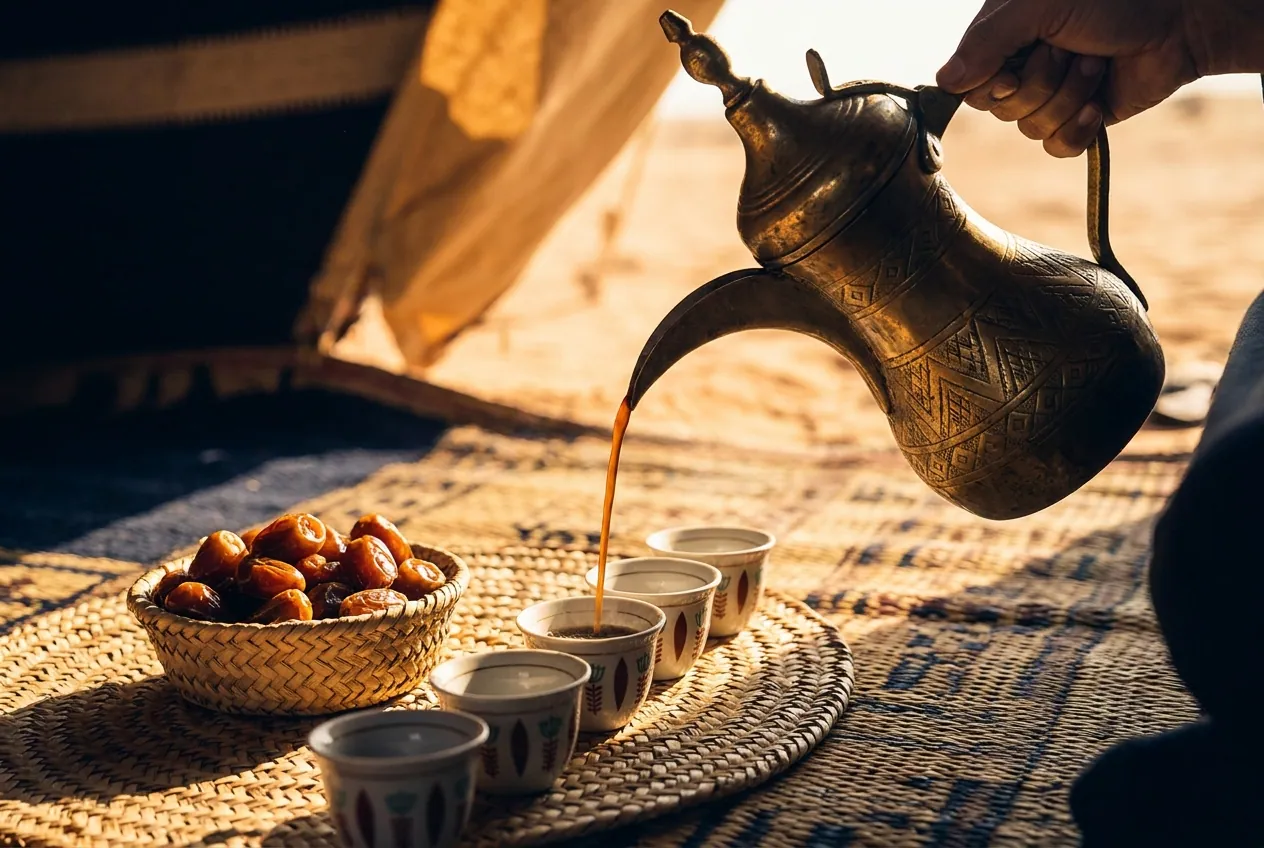
- Offered Arabic coffee (gahwa) and dates, accept at least one cup. Gently shake the small cup to show you have had enough.
- Always show respect to elders, who are greeted first.
Public behaviour and the law
The UAE has strict laws on public behaviour, which are enforced consistently. Federal law is updated regularly, so consider these as principles rather than a legal guide.
Alcohol
As of 2026, alcohol is legal for non-Muslims aged 21 and over in licensed venues such as hotels, restaurants and clubs, and from licensed shops in most emirates. Rules for buying and holding alcohol vary by emirate and have been relaxed in recent years. Sharjah bans alcohol entirely. Whatever the rules, never:
- Drink and drive. The limit is zero, and penalties include prison, fines and licence loss.
- Be drunk and disorderly in public.
- Drink in an unlicensed public place, or take alcohol into public spaces.
Public displays of affection
Holding hands is generally fine for couples. Kissing and more intimate behaviour in public can lead to complaints and penalties. Be considerate in public, including in taxis and malls.
Swearing and offensive behaviour
Swearing, rude gestures and insults, including online, can be reported and prosecuted as insults or defamation. Stay calm in disputes, especially on the road.
Photography
Always ask permission before photographing people, especially women and families. Do not photograph accidents, police, government buildings, military sites or airports. Under cybercrime law, taking or sharing a photo or video of someone without consent can lead to heavy fines, running into hundreds of thousands of dirhams, and imprisonment.
Social media and online posts
What you post online is covered by UAE law, even if you wrote it elsewhere. Avoid:
- Insulting religion, the leadership or the country
- Spreading rumours or false news
- Posting private photos or details of others
- Defaming individuals or businesses
Residents who earn money from promotions or influencing need an advertiser permit from the UAE Media Council.
Drugs
The UAE has zero tolerance for drugs. Possession, use and trafficking carry long prison sentences, and testing can detect traces from days or weeks earlier. Some medicines that are legal elsewhere, including certain painkillers, sleeping pills, ADHD drugs and products containing cannabis, are controlled here. Carry prescriptions and original packaging, and check the rules with the Ministry of Health and Prevention before you travel. Poppy seeds and CBD products have also caused problems.
National symbols and holidays
- Flag: red, green, white and black, adopted in 1971.
- Emblem: a falcon, representing strength and heritage.
- Anthem: "Ishy Bilady" ("Long Live My Nation").
- Eid Al Etihad: the National Day on 2 December, marking the 1971 union of Abu Dhabi, Dubai, Sharjah, Ajman, Umm Al Quwain and Fujairah. Ras Al Khaimah joined in 1972.
- Commemoration Day honours those who died serving the nation. It is marked around 30 November, with the public holiday on 1 December.
- Flag Day is celebrated on 3 November.
Visit our holidays page for the year's dates.
Emirati traditions
- Majlis: a gathering place where families and friends meet, drink coffee and discuss news. Many leaders hold open majlis.
- Falconry: a desert hunting skill passed down through generations and recognised by UNESCO. Falcons even have their own passports, and a falcon hospital operates in Abu Dhabi.
- Pearling: before oil, pearl diving was the backbone of the economy. Dhows, pearl diving gear and stories are on show in heritage museums.
- Camel racing: popular in winter at tracks such as Al Marmoom in Dubai, with robot jockeys in place of riders.
- Traditional arts: Al Ayyala dance, Sadu weaving, henna and Arabic calligraphy.
Visit heritage villages, souks and museums in Abu Dhabi or Dubai to experience them.
Tipping
Tipping is appreciated but not compulsory. Many restaurants add a service charge, so check your bill. If there is none, 10 percent is typical. Round up taxi fares, and give small tips of AED 5 to AED 20 to hotel porters, valets and delivery staff.
Respect in the workplace
- Relationships matter. Expect small talk, tea or coffee before business. Trust is built over time.
- Use titles. Address people as Mr, Mrs, Dr or Eng, followed by a first name, until invited otherwise.
- Be punctual, and expect flexibility. Meetings can start late or be interrupted.
- Handle disagreement privately. Avoid direct public criticism.
- Respect prayer and religious holidays. Many workplaces have prayer rooms.
- Work with a diverse team. English is widely used, and Arabic is the official language. Learn a few Arabic words, as it is appreciated.
See our working in the UAE guide for rules on hours, leave and contracts.
Frequently asked questions
Do women have to cover their hair in the UAE?
No. Visitors and residents do not have to cover their hair, except at mosques. Dress modestly in public places.
Can I drink alcohol in the UAE?
Non-Muslims aged 21 and over can drink in licensed venues and buy from licensed outlets, with rules varying by emirate. Sharjah bans alcohol, and drink driving is illegal everywhere.
Is it OK to eat in public during Ramadan?
It is no longer an offence for non-Muslims, but be discreet and respectful toward those who are fasting.
What is the weekend in the UAE?
Saturday and Sunday for most government bodies, schools and companies, with a half day on Friday for the federal government. Sharjah government offices are closed from Friday to Sunday.
Can I take photos of people?
Only with their permission. Photographing strangers without consent can lead to serious penalties.
Daleel UAE is a guide, not legal, financial or immigration advice. Rules change; confirm with the authority named before you act. Spotted an error? Tell us.