
Ramadan in the UAE: A Guide for Residents and Visitors
Ramadan 2027 expected dates, working hours, eating in public, iftar and suhoor, Ramadan tents, charity, Eid Al Fitr and etiquette for non-Muslims in the UAE.
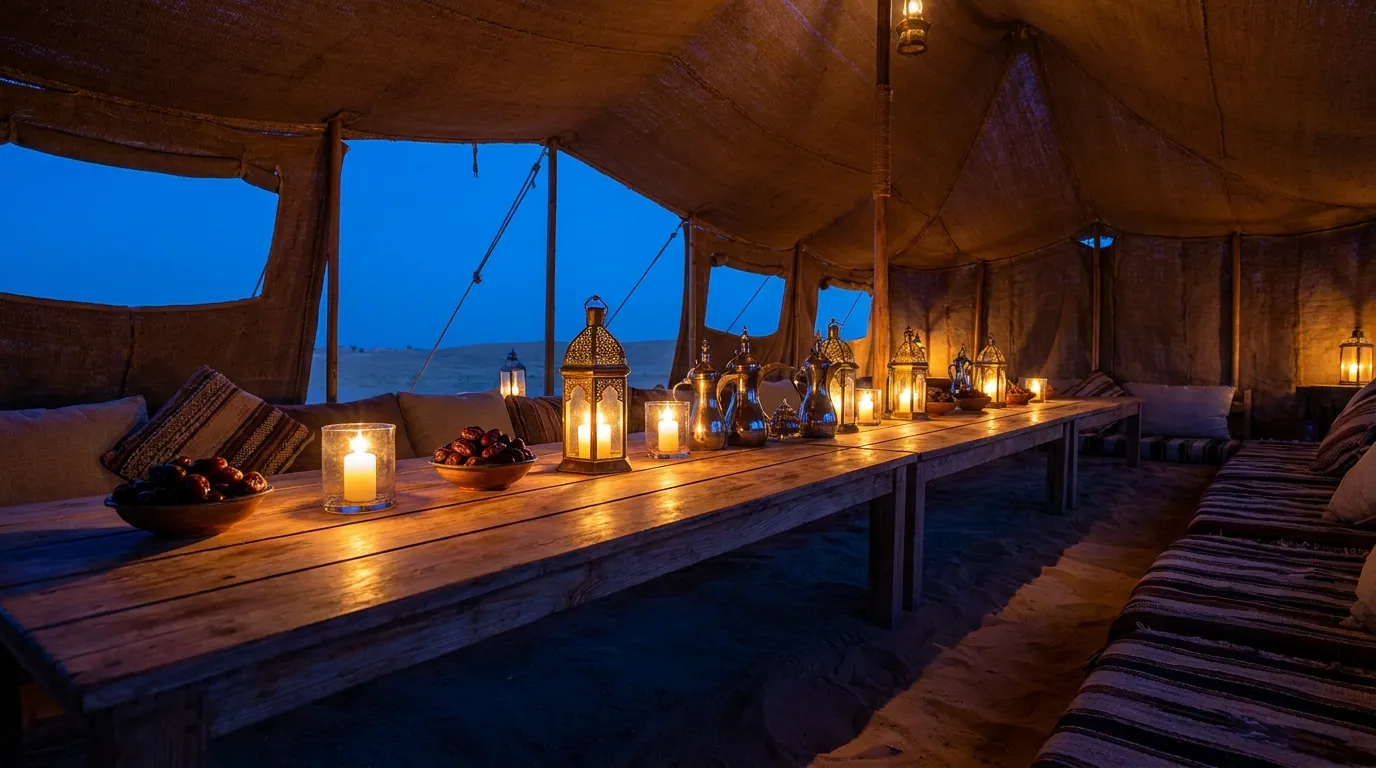
Ramadan is the holiest month in the Islamic calendar and the rhythm of the whole UAE changes during it. Offices close earlier, restaurants fill after sunset, streets glow with lanterns and the country feels warmer and more community-minded. For newcomers and visitors it is one of the best times to experience Emirati hospitality, as long as you know what to expect.
Ramadan 2026 ended in March, and the next one is expected to begin around 8 February 2027, so this is a good moment to plan ahead. This guide explains the dates, working hours, public-eating etiquette, iftar and suhoor culture, charity, Eid Al Fitr and the traffic patterns that catch people out.
Dates
Ramadan follows the lunar Hijri calendar, so it starts about 11 days earlier each year. The first day is confirmed only after the new moon is sighted, which the UAE announces the evening before. That means any date is an expectation until it is official.
- Ramadan 2026: has finished. It ran from around 18 February to around 19 March 2026.
- Ramadan 2027: is expected to begin around 8 February 2027 and run for 29 or 30 days, ending with Eid Al Fitr around 9 March 2027. This is roughly 10 to 11 days earlier than 2026, and it stays an expectation until the UAE announces the moon sighting.
Use our Hijri date converter to see the likely dates, and the prayer times tool for daily sunset and dawn times in your emirate.
What fasting means
Muslims who are able to fast do not eat, drink or smoke from dawn (Fajr) until sunset (Maghrib). Children, the sick, pregnant or nursing women, and travellers are exempt. Non-Muslims are not expected to fast.
The month is also about prayer, charity, patience and family. Many Muslims attend extra night prayers called Taraweeh at the mosque.
Working hours
UAE labour law reduces normal working hours by two hours per day during Ramadan. This applies to private sector employees of every faith, so a standard 8 hour day becomes 6 hours, with no pay reduction. Federal and emirate governments announce their own shorter hours, and schools often shorten their days too.
Some businesses, such as banks, clinics and shops, adjust their opening times, and many close in the afternoon and reopen after iftar. Always check opening hours before heading out, particularly in the late afternoon. For your rights as an employee, see our working in the UAE guide.
Eating, drinking and smoking in public
The rules have relaxed noticeably in recent years. Restaurants and cafes can generally stay open in the daytime and serve food without screens or curtains, and supermarkets and food outlets keep trading. Enforcement against non-fasting visitors is rare.
Even so, the expectation is consideration. As a practical guide:
- Avoid eating, drinking, chewing gum or smoking in the street, on public transport or in front of colleagues who are fasting.
- Eat inside restaurants, in your hotel or at home. Drinking water discreetly in your car or a private space is fine.
- Be extra careful in Sharjah and the northern emirates, which tend to be more conservative, and in government buildings or malls.
- Rules and guidance can change, so check current advice from the emirate's authorities if you are unsure.
Iftar and suhoor culture
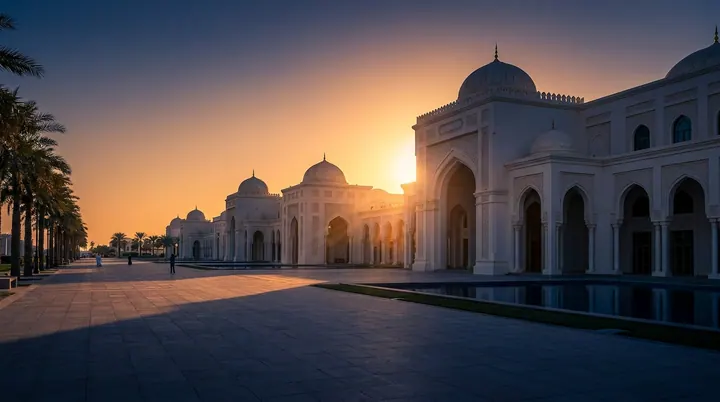
Iftar is the meal that breaks the fast at sunset. It usually starts with dates and water or laban, followed by soup and a large meal. In Dubai and Abu Dhabi you may hear the traditional iftar cannon fire at sunset. Mosques, including the Sheikh Zayed Grand Mosque in Abu Dhabi, host large communal iftars, and many companies and families invite colleagues and neighbours.
Suhoor is the pre-dawn meal. It is lighter and eaten late at night, often at cafes and hotels that stay open until just before Fajr. Popular dishes include foul, eggs, labneh, dates, harees and sweets such as luqaimat and kunafa.
If you are invited to an iftar, say yes. It is a warm gesture, you can bring dates, sweets or fruit, and you should arrive on time because the meal begins at sunset.
Ramadan tents and majlis
Hotels and restaurants set up decorated Ramadan tents, with buffets, live music and shisha or tea after the meal. Prices range from moderate to premium, and booking ahead is wise for popular dates. These tents are open to everyone, not only Muslims, and they are a good introduction to the culture.
Dress is smart and modest, and the atmosphere is relaxed and social, often running late into the evening. In public places and malls, expect Ramadan decorations, special menus and extended evening hours.
Charity and giving
Charity is central to Ramadan. Many residents give zakat (obligatory alms) and additional donations, and the UAE runs large food and giving campaigns. If you want to donate, use licensed channels only, such as the Emirates Red Crescent or other authorised charities, because fundraising without a permit is illegal and street begging is prohibited. Many people also give meals to workers, delivery riders and drivers, which is a kind and welcome gesture.
Eid Al Fitr
The month ends with Eid Al Fitr, a three-day celebration that begins with morning prayers, new clothes, family visits and gifts of money for children called Eidiya. Public and private sector holidays usually run for several days around the end of Ramadan, with the exact length confirmed by the government, so plan travel and flights early. Our UAE public holidays page shows how the dates fall each year.
Greet people with "Eid Mubarak". Gifts of sweets or flowers to Muslim neighbours and colleagues are appreciated.
Etiquette for non-Muslims
- Greetings. "Ramadan Kareem" or "Ramadan Mubarak" is welcome from anyone.
- Dress. Cover shoulders and knees in public, in the way you would for any respectful setting.
- Sound. Keep music and noise low, particularly near mosques and during prayer times.
- Public behaviour. Avoid public displays of affection, and be patient in queues.
- Colleagues. Schedule meetings earlier in the day, avoid late-afternoon deadlines, and do not offer food or coffee to fasting colleagues.
- Venues. Hotels and licensed venues that serve alcohol have generally continued to do so in the evenings in recent years, but entertainment may be toned down. Check ahead.
More on general manners in our culture and etiquette guide.
Traffic patterns
Ramadan changes the roads in a predictable way:
- Mid-afternoon rush. With shorter workdays, traffic peaks earlier, often through the afternoon.
- Pre-iftar chaos. The last hour before sunset is the busiest and most hurried time to drive. Fasting drivers can be tired and impatient, so leave extra space.
- Quiet sunset. The roads empty at iftar as everyone eats.
- Late-night traffic. After iftar, roads near malls, restaurants and tents are busy until after midnight.
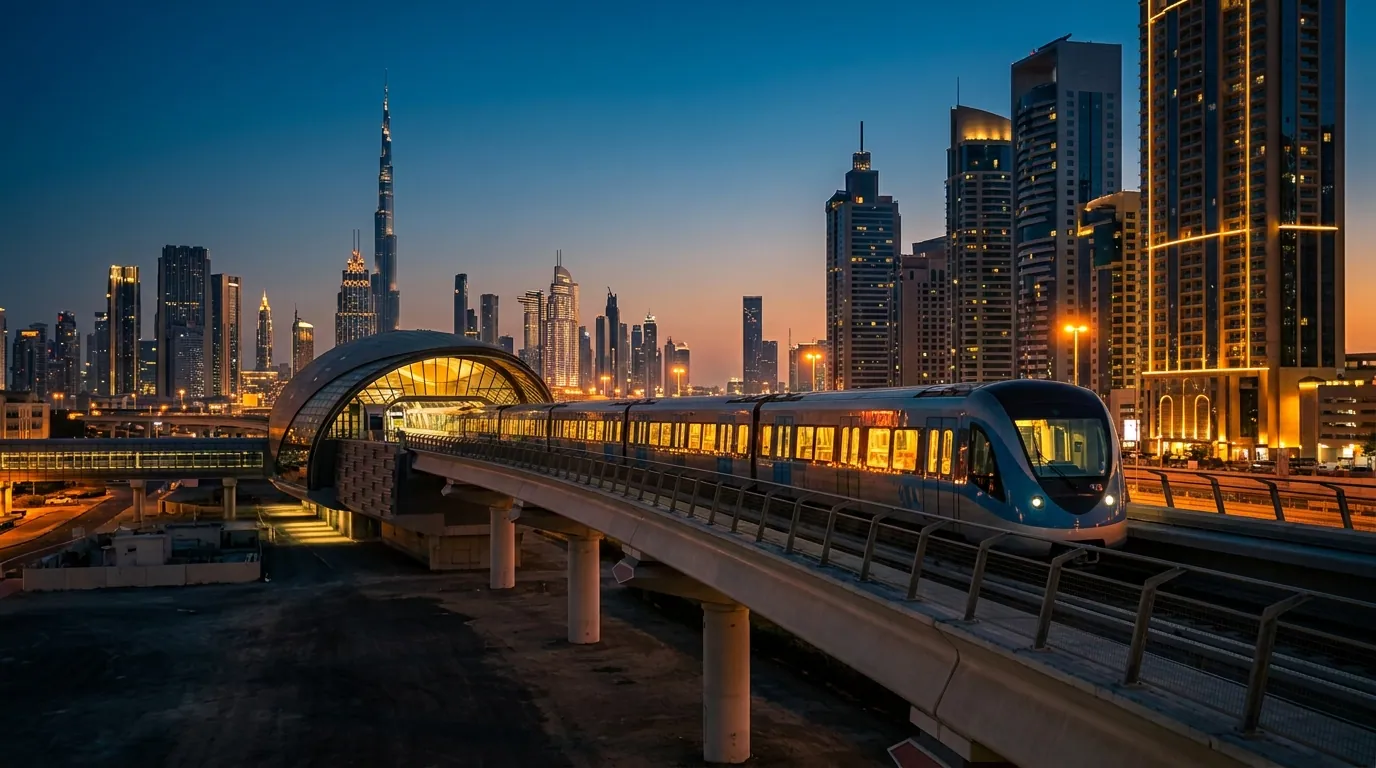
- Parking and transport. Paid parking hours, Metro and bus timetables are often adjusted in Ramadan, so read signs and check the RTA and local transport announcements.
For general road rules, see our driving and transport guide.
Frequently asked questions
When is Ramadan in the UAE?
Ramadan 2026 has ended. Ramadan 2027 is expected to begin around 8 February 2027, subject to the moon sighting. The UAE confirms the start date the evening before.
Are working hours shorter during Ramadan?
Yes. Under UAE labour law, private sector working hours are reduced by two hours per day for all employees, regardless of religion, without a reduction in pay. Government and school timings are announced separately.
Can I eat or drink in public during Ramadan in the UAE?
Restaurants and cafes can generally open in the daytime and serve food, and enforcement against non-fasters is rare. Out of respect, avoid eating, drinking or smoking in the street or in front of people who are fasting.
Do non-Muslims have to fast?
No. Non-Muslims are not expected to fast, but they are asked to be considerate in public, dress modestly and avoid loud music or behaviour that might offend those who are fasting.
How long is the Eid Al Fitr holiday?
Eid itself lasts three days, and the official holiday usually covers several days around the end of Ramadan. Eid Al Fitr 2027 is expected around 9 March 2027, but the government announces the exact dates close to the time, so check before booking travel.
Written by Daleel UAE editorial team. Daleel UAE is a guide, not legal, financial or immigration advice. Rules change; confirm with the authority named before you act.