



UAE Weather Month by Month: The Best Time to Visit
Temperatures, humidity, sea warmth, rain and sandstorms for every month in the UAE, plus the best months to visit and how residents beat the summer.
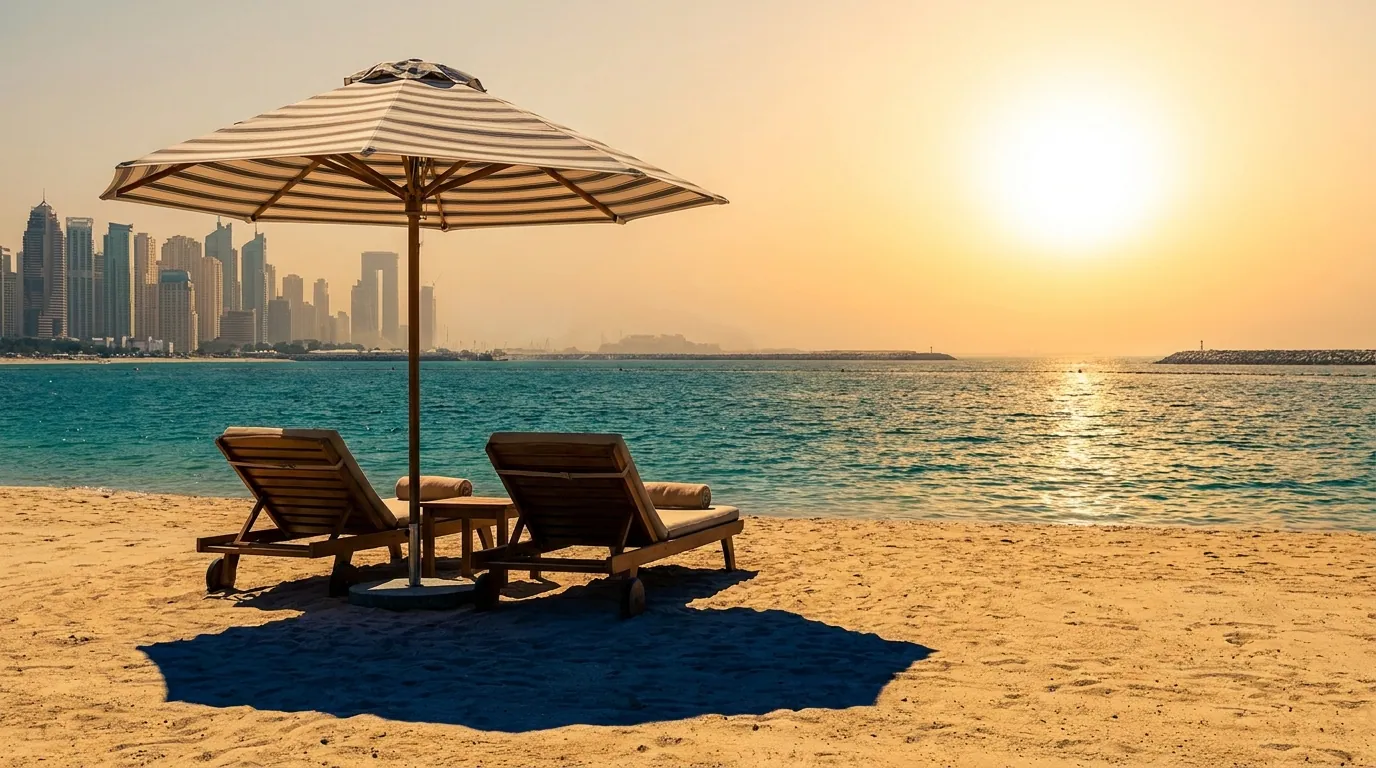
The best time to visit the UAE is from November to March, when daytime temperatures sit between roughly 24 and 32 degrees Celsius, the sea is warm enough to swim and outdoor plans are a pleasure. April and October are good shoulder months. From June to September the country is very hot and humid, and life moves indoors and into the evenings.
The figures below are typical averages for the coast of Dubai and Abu Dhabi, rounded and as observed in recent years. Inland desert areas, such as Al Ain, are hotter by day and cooler at night. For official forecasts and warnings, check the National Centre of Meteorology at ncm.gov.ae.
At a glance
| Month | Daytime high | Night low | Humidity | Sea temperature |
|---|---|---|---|---|
| January | 24 C | 14 C | 55% to 65% | About 21 C |
| February | 25 C | 15 C | 55% to 65% | About 20 C |
| March | 28 C | 18 C | 50% to 60% | About 22 C |
| April | 33 C | 21 C | 45% to 55% | About 25 C |
| May | 38 C | 25 C | 45% to 55% | About 29 C |
| June | 40 C | 29 C | 50% to 65% | About 31 C |
| July | 42 C | 31 C | 55% to 70% | About 33 C |
| August | 42 C | 32 C | 60% to 75% | About 34 C |
| September | 39 C | 29 C | 55% to 70% | About 33 C |
| October | 35 C | 25 C | 50% to 65% | About 31 C |
| November | 30 C | 20 C | 55% to 65% | About 27 C |
| December | 26 C | 17 C | 55% to 65% | About 23 C |
Coastal humidity often peaks at night and in the early morning. In summer, the heat index (what it feels like) can exceed 50 degrees Celsius.
Month by month
January and February
These are the coolest months, with sunny days, crisp mornings and comfortable evenings. They are also the main outdoor season: beaches, desert camps, hiking, markets and festivals. Light jackets are useful at night, especially in the desert and on the water. Morning fog can occur and occasionally delays flights or reduces visibility on roads.
This is also the rainiest time of year, though rain is still modest. Showers and the occasional thunderstorm are possible from January to March, and heavier spells can cause flooding on roads that are not built to drain quickly.
March
Spring warms up quickly. Days are bright and pleasant, and the sea starts warming. March is a good month for sightseeing and beach days, with fewer crowds towards the end of the month. Rain is still possible early on, and dusty winds begin to appear.
April
Daytime temperatures rise into the low 30s. Midday outdoors starts to feel hot, but mornings and evenings are very good. Sandstorms and hazy skies become more common as winds pick up. Water sports are excellent, with the sea warm and calm on most days.
May
This is the first truly hot month, with highs around 38 degrees Celsius. Outdoor tourism slows, and many residents plan their travel for summer. Hotels start offering lower rates.
June to August: the summer
June, July and August are the hottest and most humid. Highs of 40 to 45 degrees Celsius are normal and the night offers little relief near the coast. The sea is as warm as a bath, so swimming is pleasant but not refreshing. The occasional dust-laden shamal wind can cut visibility.
Expect the following:
- Outdoor activity moves to early morning or after sunset.
- Malls, indoor attractions and air-conditioned venues are busy.
- Many residents travel abroad, so hotels and flights are cheaper locally and busier at the airport.
- A midday outdoor work break applies for workers, usually from 12:30 to 3:00 pm between mid-June and mid-September under MOHRE rules.
September
Still very hot, especially early in the month, although the humidity begins to ease towards the end. Hotels remain good value. School returns and the city feels busier again.
October
A turning point. Evenings become pleasant and by the end of the month you can sit outside again. Sea temperature stays warm. This is one of the best months for water sports and beach clubs, and a smart time to visit if you want lower prices than the peak season.
November and December
Ideal. Warm days, pleasant evenings, clear skies and a full calendar of events. These are among the busiest and most expensive months for travel, especially around the end of the year, so book flights and hotels early. Use our holiday planner and public holidays calendar to plan around long weekends.
Rain, storms and sandstorms
The UAE gets very little rain, typically under 100 millimetres a year on the coast, mostly between December and March. When it does fall, it can be intense and brief, and wadis and low roads can flood. Follow warnings from the NCM and local police, avoid driving through standing water and stay away from wadis during storms.
Sandstorms and dust events occur mostly in spring and summer, often with a shamal wind from the north-west. Visibility falls, and people with asthma or allergies may be affected. Keep car windows closed, wear sunglasses, and check air quality alerts.
How residents cope with the summer
The summer feels long if you are not prepared. These habits make it manageable:
- Plan around the sun. Walk the dog at 6 am, run after 8 pm, and move errands to the evening.
- Drink water often. Carry a bottle and add electrolytes if you are exercising.
- Protect your car. Park in the shade or a covered space, use a windscreen cover and check tyre pressure often.
- Watch your air conditioning bill. Summer bills can be double the winter amount. Use the DEWA bill estimator to forecast it, and set your thermostat around 24 degrees Celsius.
- Travel. Many families leave for a few weeks. Check the public holidays page and your visa conditions before long absences.
- Use shaded and indoor spaces. Malls, gyms, libraries, museums and indoor play areas are summer staples.
For the cost side of living through the heat, see the cost of living tool and our weather and when to visit guide.
Indoor options in the summer
- Museums and galleries. Louvre Abu Dhabi, the Museum of the Future in Dubai and Sharjah's many museums are comfortable and rewarding.
- Ski Dubai. Real snow inside Mall of the Emirates.
- Theme parks. Indoor and shaded attractions on Yas Island in Abu Dhabi, and in Dubai.
- Aquariums and indoor zoos. The Dubai Aquarium and similar venues.
- Malls and sales. Summer promotions and cinemas keep families busy.
- Indoor sports. Padel courts, climbing gyms, ice rinks and trampoline parks.
Mountain escapes: Jebel Jais and Hatta
If you want to escape the heat without leaving the country, head to the hills.
Jebel Jais in Ras Al Khaimah is the UAE's highest peak, at about 1,900 metres. Temperatures are usually 10 degrees Celsius or more cooler than at the coast, and winter nights can be cold. The mountain has viewpoints, hiking trails, a long zipline and cafes. Read more on the Ras Al Khaimah page.
Hatta, about 130 kilometres from Dubai, sits in the Hajar Mountains with a reservoir, kayaking, mountain biking and cabins. It is a few degrees cooler than the coast and is a favourite weekend break in the cooler months. Summers are still warm, so go early.
The east coast in winter
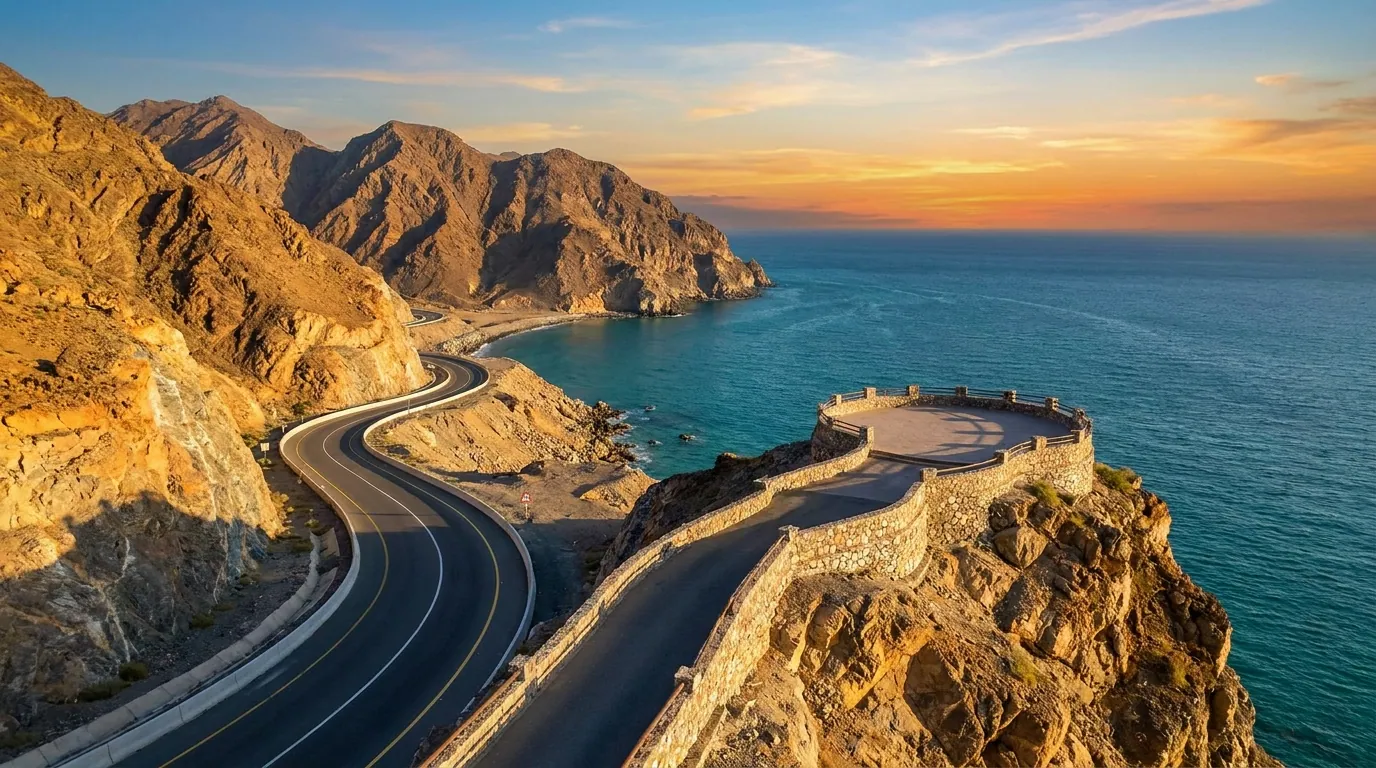
The east coast, on the Gulf of Oman, includes Fujairah, Khor Fakkan and Kalba. In winter it is a pleasure: warm sun, clear water and good snorkelling and diving. Mountains rise close to the coast, so you can combine a swim with a morning hike. In summer the east coast is also hot and humid, but sea breezes can make it slightly easier than the Gulf coast. Visit the Fujairah page for places to see.
What to pack
Winter (November to March)
- Light clothing for the day, a sweater or light jacket for the evening
- Swimwear, sun cream and sunglasses
- Comfortable walking shoes and a light waterproof for a rainy day
Summer (June to September)
- Loose, breathable cotton or linen
- A hat, high-SPF sun cream and sunglasses
- A light layer for fierce air conditioning in malls and offices
- A reusable water bottle
All year
- Modest clothing for mosques and some public places (see culture and etiquette)
- A charger and power bank, because navigation and rides rely on your phone
Frequently asked questions
What is the best month to visit the UAE?
November to March is the best window, with pleasant temperatures and plenty of events. December and January are the busiest and most expensive, while November and March offer good weather at a slightly lower price.
How hot does it get in the UAE?
Coastal highs reach about 42 degrees Celsius in July and August, and inland areas can be higher. High humidity makes it feel hotter, so plan outdoor activities for early morning or evening.
Does it rain in the UAE?
Yes, but rarely. Most rain falls between December and March in short, sometimes heavy bursts. Roads can flood quickly, so check forecasts and avoid wadis.
Is the UAE worth visiting in summer?
It can be, especially for indoor attractions, beach clubs, and good hotel prices. Just expect intense heat and spend the middle of the day inside.
Where can I escape the heat in the UAE?
Jebel Jais in Ras Al Khaimah and Hatta in Dubai are noticeably cooler, and an early start helps in the summer. Indoor options such as Ski Dubai and the museums are also reliable.
Written by Daleel UAE editorial team. Daleel UAE is a guide, not legal, financial or immigration advice. Rules change; confirm with the authority named before you act.